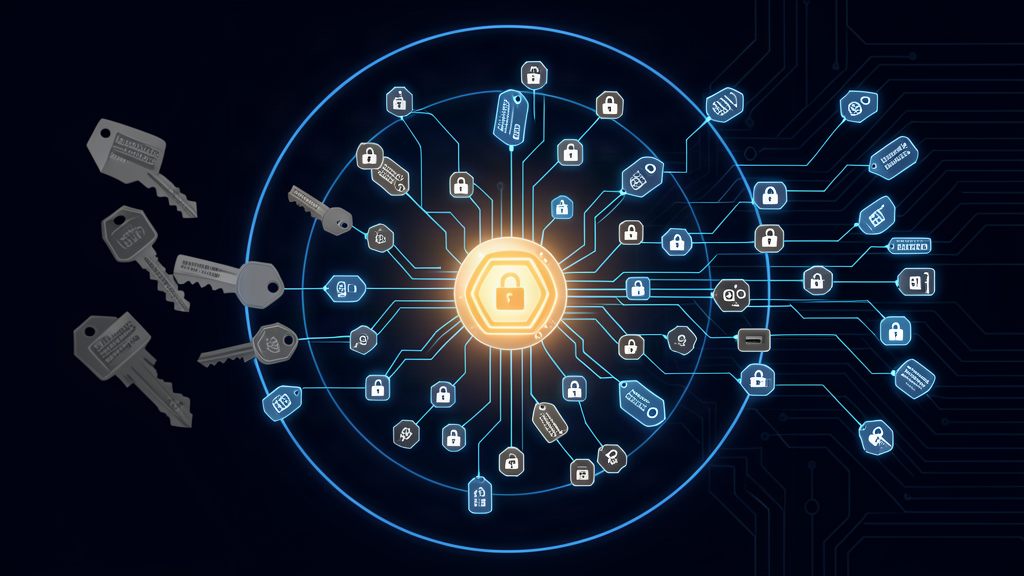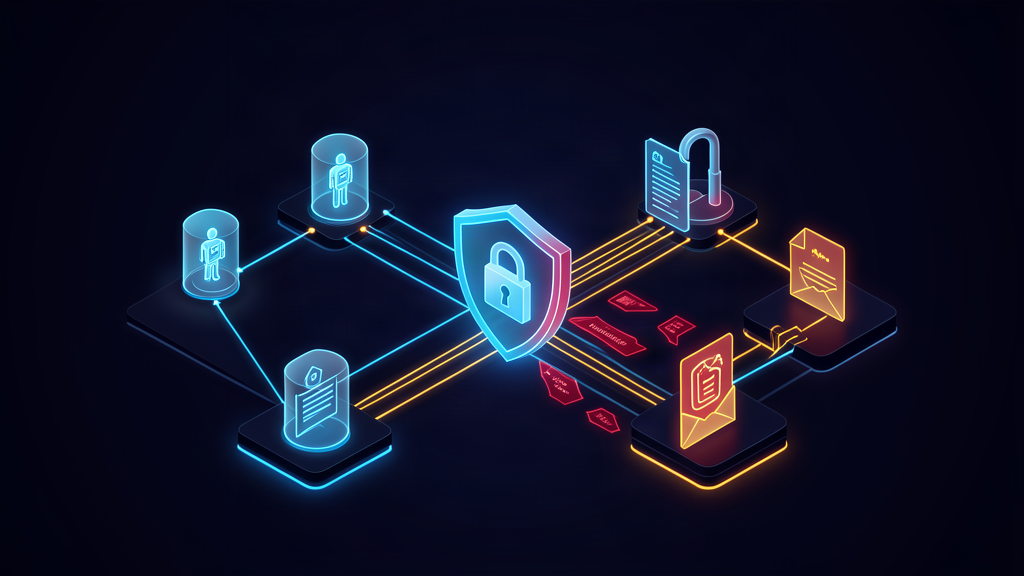

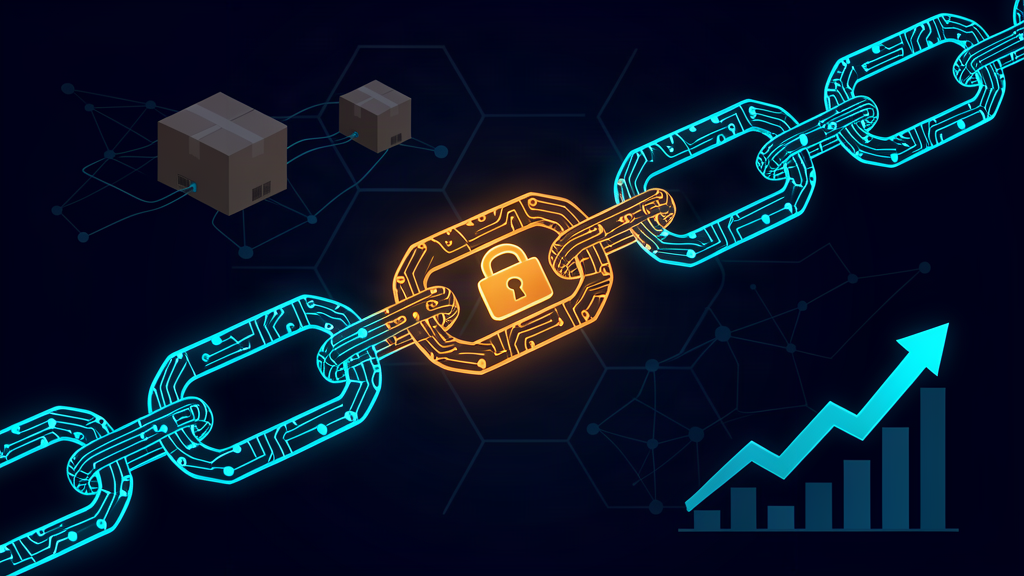
Ask a security team what they defend, and they will point at the perimeter: firewalls, VPNs, identity providers, cloud accounts. Ask an engineering team what they ship, and the honest answer is that most of it was written by strangers. Modern enterprise applications are assembled from tens of thousands of open-source packages, container base images, build tools, and, increasingly, code and models generated by AI. Your proprietary code is often less than five percent of the finished product. That inversion is the defining security fact of 2026: the software supply chain is now your primary attack surface, and it is attacked daily.
This is not a hypothetical risk. Attackers have industrialized dependency compromise the way ransomware groups industrialized phishing. Meanwhile, regulators in the EU and North America have started treating software integrity as a legal obligation with hard deadlines and real fines. This post breaks down what changed, why traditional scanning is no longer enough, and a defense playbook enterprise teams can actually execute.
Why the Software Supply Chain Is the Attack Surface of 2026
The numbers from the last twelve months are blunt. Sonatype's 2026 State of the Software Supply Chain report counted more than 454,600 new malicious open-source packages in 2025 alone — a 75% year-over-year jump — pushing the cumulative total of malicious packages identified past 1.23 million. Over 99% of that open-source malware appeared on npm, the registry that sits at the heart of nearly every JavaScript build in existence.
Three shifts make this wave different from the opportunistic crypto-miners of past years:
- State-linked actors are in the registry. North Korean clusters such as Lazarus published more than 800 malicious packages concentrated on npm, moving from simple droppers to five-stage payload chains that combine credential theft with persistent remote access inside developer environments.
- Malware now self-replicates. The Shai-Hulud campaign proved that a malicious npm package can harvest maintainer credentials and publish infected versions of every package the victim owns — a worm that spreads through the registry itself, not through any single vulnerable library.
- The build system is a target, not just the code. Roughly a quarter of documented supply chain incidents now compromise CI/CD infrastructure: runner permissions, release pipelines, and signing keys. Attackers go after the factory, not just the product.
The exposure side is just as uncomfortable. Independent audits of commercial codebases consistently find open source in over 98% of them, with known open-source vulnerabilities present in the large majority and the average count of vulnerable components per codebase more than doubling in recent audit cycles. In other words: almost every enterprise codebase contains components somebody else controls, and a meaningful share of those components have known weaknesses or have already been weaponized.
The Anatomy of a Modern Supply Chain Attack
Most executives still picture supply chain attacks as one thing: a hacker sneaks bad code into a popular library. The reality is a family of distinct techniques, and each one defeats a different control. Understanding the taxonomy is the first step toward budgeting defenses.
1. Typosquatting and dependency confusion
An attacker publishes a package whose name is one keystroke away from a real one, or relies on a package manager that resolves an internal package name against the public registry. The install succeeds, the post-install script runs, and the developer workstation is compromised before anyone reviews a single line of code. These attacks require no vulnerability in your application at all — only a mistyped name.
2. Maintainer and account takeover
Instead of creating a malicious package, the attacker takes over a legitimate one. Phished maintainer tokens, compromised GitHub accounts that bypass code review entirely, and orphaned commits pushed into release branches all produce poisoned versions of packages that are already famous, already trusted, and already in your lockfile. In mid-2026, waves of these attacks hit dozens of packages at once, several carrying hundreds of thousands of weekly downloads each.
3. Build pipeline compromise
The most damaging class attacks the machinery that assembles and ships software: CI runners, artifact repositories, signing keys. When the pipeline is the target, even a perfectly reviewed source tree can produce a trojanized release. This is why modern guidance treats build integrity as a first-class control, not an IT detail.
4. Staged payloads and persistence
Sonatype's 2026 analysis found clear evidence of engineered attack chains: droppers and loaders in a growing share of packages, backdoors layered behind them, and obfuscated code acting as a force multiplier that helps each stage evade inspection. Some payloads deliberately corrupt build outputs and release workflows, so the damage propagates downstream to every consumer. A single malicious package is no longer a one-shot event — it is a beachhead.
The question is no longer "is our application code secure?" It is "can we prove what every component in our software is, where it came from, and who touched it?"
The Regulatory Clock Started in September 2026
If the threat alone is not enough to move budgets, the law now is. The EU Cyber Resilience Act moved from theory to obligation on September 11, 2026, and most enterprises are underestimating how little runway remains.
- Now in force: manufacturers of products with digital elements must report actively exploited vulnerabilities and severe incidents to ENISA and national CSIRTs — with an early warning inside 24 hours, a full notification inside 72 hours, and a final report within 14 days of a corrective measure. This applies retroactively to products already on the EU market.
- December 11, 2027: the full essential requirements land — secure-by-design development, vulnerability handling, conformity assessment, CE marking, and a software bill of materials (SBOM) in a commonly used, machine-readable format as part of the technical documentation.
- Penalties scale with the stakes: fines can reach tens of millions of euros or several percent of global turnover, depending on the violation class.
The operational trap is that the 2027 SBOM requirement is effectively needed today. You cannot file a credible 24-hour early warning about an actively exploited component if answering "where does this library exist in our product estate?" takes three weeks. Enterprises that treat SBOM generation as a 2027 project are building their incident response on a foundation they will not have until after the reporting clock is already running. In the United States, federal guidance points the same direction: CISA's minimum elements for SBOMs and procurement language in federal contracts have normalized component transparency as table stakes for anyone selling into government or regulated industries.
The Enterprise Defense Playbook
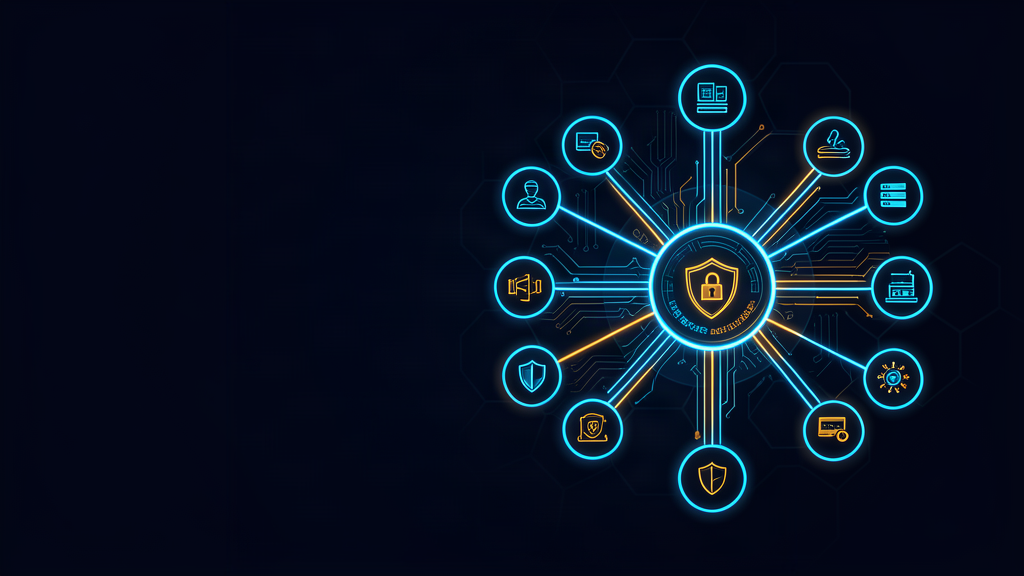
There is no single product that fixes this. What separates resilient organizations from exposed ones is a layered operating model. Here is the playbook we implement with enterprise clients, ordered by impact.
1. Generate SBOMs on every build — and make them queryable
A static SBOM document is a snapshot; attackers do not wait for snapshots. The goal is a continuously updated, machine-readable inventory (in formats such as CycloneDX or SPDX) produced automatically by the pipeline, stored in a queryable system, and enriched with vulnerability intelligence. When the next industry-wide disclosure lands, the question "which of our products contain this component?" should take minutes to answer, not weeks. Pair each SBOM with VEX-style status reporting so downstream consumers know which findings actually affect your shipped artifacts.
2. Harden the build, not just the code
Adopt provenance and integrity controls that make your pipeline tamper-evident:
- Sign build artifacts and container images, and verify signatures at deploy time.
- Generate build provenance attesting where, how, and by whom an artifact was produced.
- Pin dependencies and base images by digest; treat unpinned floats as a policy violation.
- Isolate CI runners, grant least-privilege access, and use short-lived federated credentials instead of long-lived tokens that a phished runner can exfiltrate.
Frameworks such as SLSA provide the maturity ladder; the practical bar for most enterprises is signed artifacts plus provenance plus isolated runners. If an attacker compromises your registry account, those controls are what stop a poisoned release from reaching customers.
3. Gate third-party code at the door
Registry malware must be stopped before it enters your environment, because after ingestion it is your problem. Put a quarantine gate in front of public registries: block or hold packages younger than a threshold, require allowlisting for new dependencies, and automatically flag maintainer changes and namespace squatting on names that resemble your internal packages. Review the trust chain when a popular package changes hands — account transfers are a favorite attacker entry point.
4. Prioritize with context, not raw CVSS
Scanners flood teams with thousands of theoretical findings. What matters is reachability: is the vulnerable function actually called by your code, exposed through a network-facing path, and is there working exploit code in the wild? Enterprises that score findings on exploit maturity and blast radius fix the dozens of issues that matter and stop drowning in the thousands that do not. This is also where SBOMs pay off again — mapping a new CVE to affected products is an inventory query, not an archaeology project.
5. Extend governance to AI-generated code and models
The newest supply chain inputs are not packages at all. AI coding assistants routinely suggest library versions that are hallucinated or typosquatted, and enterprises are beginning to consume fine-tuned models, model weights, and agent tool servers with the same trust assumptions as code. Treat these as first-class supply chain components: inventory them, verify their origin, scan for known malicious artifacts, and hold model and tool registries to the same intake standards as npm. The organizations surviving the next wave will be the ones whose governance covers every input to the build — human-written, open-source, and machine-generated alike.
Measuring What Matters
A supply chain program without metrics decays into shelfware. Four numbers tell you whether yours is real:
- Inventory coverage: the percentage of production artifacts with a current, queryable SBOM. Target: 100%.
- Mean time to locate a newly disclosed component: how fast can you answer "where does this CVE live?" across every product. Target: hours, not weeks.
- Provenance adoption: the share of releases that are signed and carry build attestation.
- Dependency MTTR: how quickly critical, reachable vulnerability findings are remediated in your dependency tree, distinct from your own first-party code fixes.
Track these quarterly and the investment case writes itself: every reduction in locate-and-patch time is direct exposure you no longer carry.
How Tech Hub Services Helps
We help enterprise teams implement this playbook end to end: pipeline hardening and artifact signing, SBOM generation wired into CI/CD, dependency intake gates and continuous composition analysis, and the governance layer for AI-generated code — plus the reporting workflows regulators now expect. The work is deliberately boring and durable: controls that run on every build, evidence that satisfies an auditor, and response playbooks that make a 24-hour regulatory clock survivable.
Supply chain security is no longer a niche discipline for platform teams. It is the difference between a disclosure being a routine patch cycle and a company-defining incident. The organizations that invest now — before the 2027 enforcement wall — will spend a fraction of what the laggards spend on remediation, and they will be able to prove their software is what it claims to be. That proof is becoming the price of doing business.
If you want a frank assessment of where your software supply chain stands — and a roadmap you can actually execute — contact Tech Hub Services at info@techhubservices.com or +1-416-477-6087.