
Enterprise Technology in 2026: AI Agents, Zero Trust, and the New Digital Battleground
The enterprise technology landscape in 2026 is undergoing a transformation unlike anything we have seen in the past decade. Three forces — artificial intelligence, cybersecurity, and search evolution — are converging to reshape how businesses build software, protect their assets, and reach customers. For enterprise leaders navigating this terrain, understanding these shifts is not optional. It is survival.
At Tech Hub Services, we work with enterprises every day to architect, secure, and scale their digital presence. This post breaks down the three most critical technology trends of 2026 and what they mean for your business.
The Rise of Agentic AI in Enterprise Software
Artificial intelligence in 2026 has moved far beyond the chatbot era. We are now in the age of agentic AI — autonomous software agents that plan, execute, and learn from complex tasks without human intervention at every step.
According to Gartner, 40% of enterprise applications will feature task-specific AI agents by 2026, up from less than 5% in 2025. These are not simple automation scripts. These are intelligent agents that process invoices, manage customer interactions, triage IT support tickets, and even write and review code — all while learning from outcomes and escalating only when human judgment is required.
What Makes Agentic AI Different
Traditional AI tools required a human in the loop for every decision. Agentic AI flips that model. An AI agent in 2026 can:
- Plan autonomously: Break down a high-level goal into a sequence of subtasks and execute them in order.
- Use tools: Call APIs, query databases, send emails, and interact with other software systems directly.
- Learn from feedback: Adjust its approach based on outcomes, improving over time without retraining.
- Collaborate with other agents: Multiple specialized agents coordinate to complete workflows that span departments.
For enterprise software development, this means development teams are shipping features faster than ever. GitHub reports that 81% of Copilot users complete tasks faster, with 55% higher productivity. But speed without quality is a liability. The winning enterprises in 2026 are those that combine AI acceleration with robust code review, automated testing, and architectural governance.
Composable Architecture and API-First Design
Agentic AI thrives in environments built on composable architecture. Monolithic systems that resist change are being replaced by modular, API-first designs where every capability is a service that can be discovered, called, and composed by both human developers and AI agents.
Enterprises investing in platform engineering — internal developer platforms that abstract infrastructure complexity — are seeing the highest returns. These platforms give developers self-service access to environments, pipelines, and observability tools while enforcing security and compliance policies automatically.
Zero Trust Security: The Fastest-Growing Enterprise Priority
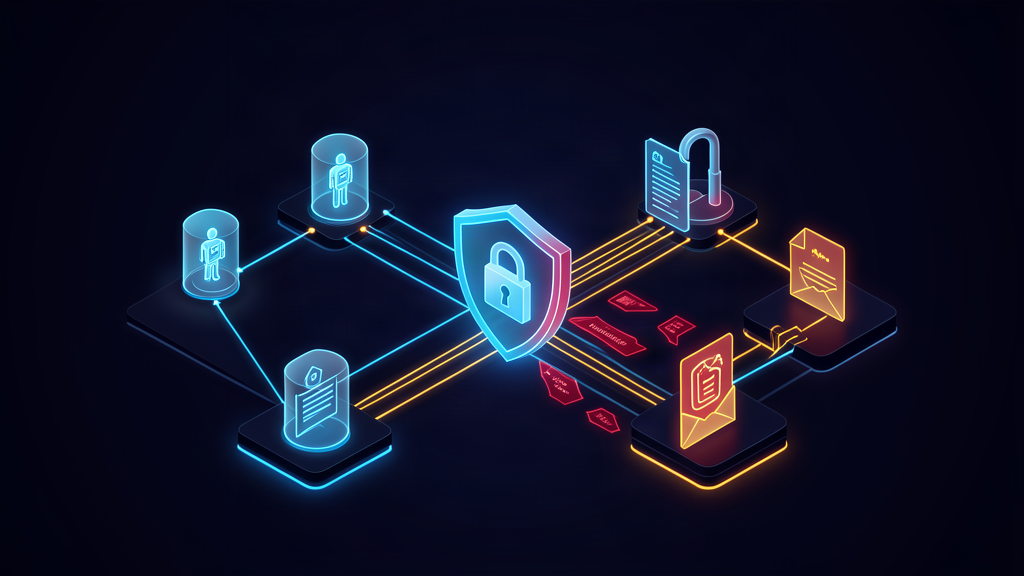
If 2025 was the year of AI experimentation, 2026 is the year of zero trust adoption. Cybersecurity threats are more sophisticated than ever, driven by AI-enabled social engineering, faster exploitation of known vulnerabilities, and the expanding attack surface of hybrid work and multi-cloud environments.
The principle is simple: never trust, always verify. Every user, device, and connection is treated as a potential threat — regardless of whether it originates inside or outside the network perimeter.
Identity-First Security
The most significant shift in enterprise cybersecurity in 2026 is the move to identity-first security. Every digital interaction, whether by a human or a machine, is verified at every step. This means:
- Strong MFA for all privileged roles — not just administrators, but anyone with access to sensitive data.
- Reduced standing privilege — just-in-time access grants permissions only when needed and revokes them automatically.
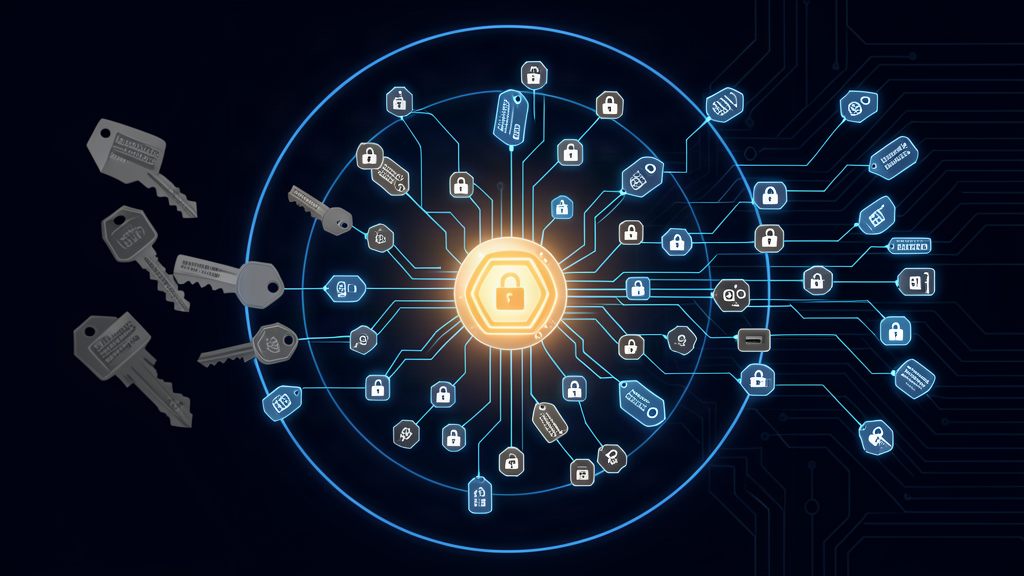
- Machine identity management — service accounts, API keys, and certificates are treated as first-class security objects with owners, rotation schedules, and audit logging.
AI-Driven Threat Detection
Enterprises in 2026 are fighting fire with fire. AI-powered threat detection systems analyze network traffic, user behavior, and system logs in real time, identifying anomalies that would take human analysts hours or days to spot. These systems neutralize threats before damage occurs, reducing mean time to respond from days to minutes.
For enterprises running e-commerce platforms, this is especially critical. A single breach can compromise customer payment data, destroy brand trust, and trigger regulatory penalties that run into the millions. The cost of prevention is a fraction of the cost of a breach.
Risk-Based Vulnerability Management
Not all vulnerabilities are equal. The 2026 approach to patching is risk-based: prioritize the 5% of vulnerabilities that pose 90% of the risk to your specific crown-jewel assets. Known Exploited Vulnerabilities (KEVs) are patched first, while low-risk, low-exploitability issues are scheduled on a normal cycle. This pragmatic approach lets enterprises focus security resources where they matter most.
Enterprise SEO in the Age of Answer Engines
Search in 2026 looks fundamentally different than it did even two years ago. Google AI Overviews, ChatGPT answer engine, Perplexity, and Gemini have transformed how users discover information. The click is no longer the only unit of value. Brands must now be visible across multiple AI platforms simultaneously.
From Search Engines to Answer Engines
Traditional SEO focused on ranking in Google blue links. Enterprise SEO in 2026 focuses on being cited as an authoritative source across AI-powered answer engines. When a user asks ChatGPT or Perplexity a question about your industry, your brand needs to be in the answer — not just in the search results.
This shift requires a fundamentally different content strategy:
- Technical SEO foundations — structured data, schema markup, and clean site architecture are more important than ever because AI crawlers rely on them to understand and cite your content.
- Content authority — high-density, authoritative content that answers specific questions thoroughly. AI engines prefer content that is comprehensive, well-structured, and cited by other authoritative sources.
- AI visibility monitoring — tracking brand presence across AI platforms automatically, because manual checking is impossible at scale for enterprise sites with thousands of pages.
E-Commerce in the Agentic Commerce Era
For e-commerce enterprises, 2026 brings both opportunity and complexity. Google Universal Commerce Protocol (UCP) and ChatGPT Agentic Commerce Protocol are changing how products are discovered and purchased. AI agents now comparison-shop on behalf of users, selecting products based on structured data, reviews, and availability — all without the user ever visiting a product page.
To win in this environment, e-commerce brands must:
- Optimize product feeds for AI retrieval, ensuring complete and accurate product attributes, pricing, and availability data.
- Adopt headless commerce architectures that separate the frontend from the backend, giving brands complete design freedom without sacrificing performance.
- Invest in social SEO — platforms like TikTok and YouTube are now major product discovery channels, especially for younger demographics.
Bringing It All Together: The Integrated Enterprise Strategy
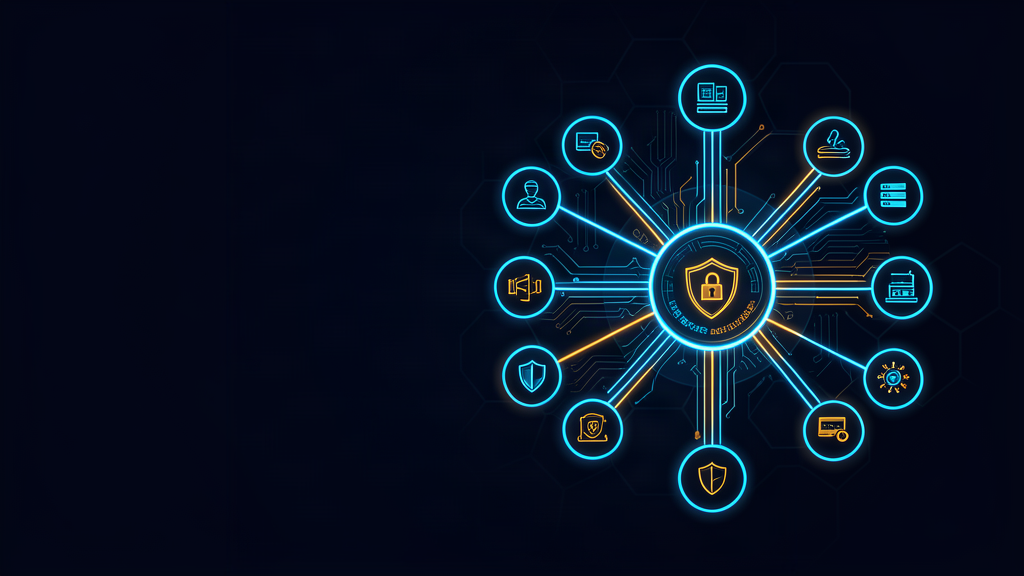
The enterprises that thrive in 2026 are not the ones that adopt AI, or implement zero trust, or revamp their SEO strategy. They are the ones that do all three in an integrated way.
Here is what that looks like in practice:
Your AI agents need secure APIs. If you are deploying agentic AI to automate customer service or supply chain management, those agents are making API calls that need to be authenticated, authorized, and logged. Zero trust principles apply to machine-to-machine communication just as they apply to human users.
Your SEO strategy needs AI visibility. The same AI models that power your internal agents are also the models that power search engines and answer engines. Content optimized for AI discovery serves both your customers and your internal systems.
Your security posture needs to scale with your digital footprint. As you add more AI agents, more API endpoints, and more content, your attack surface grows. Automated security monitoring and risk-based vulnerability management are the only way to keep up.
How Tech Hub Services Can Help
At Tech Hub Services, we specialize in helping enterprises navigate exactly these challenges. Based in Brampton, Ontario, we bring decades of combined experience in enterprise software development, cybersecurity, SEO, and e-commerce to every engagement.
Our services include:
- Enterprise Software Development: Custom applications built with modern architectures — API-first, composable, and AI-ready. We work with Laravel, Vue, React, Node, and Angular to deliver solutions that scale.
- Cybersecurity Assessments and Implementation: From zero trust architecture to vulnerability assessments to incident response planning, we help you build a security posture that protects your business.
- Enterprise SEO and Digital Strategy: We optimize your content for both traditional search engines and AI-powered answer engines, driving measurable growth in traffic and revenue.
- E-Commerce Development: Shopify, WooCommerce, and custom headless commerce solutions designed for the agentic commerce era.
Whether you are deploying your first AI agent, overhauling your security architecture, or rebuilding your SEO strategy for the answer-engine era, Tech Hub Services has the expertise to guide you from strategy through execution.
The Bottom Line
2026 is a year of convergence. AI agents, zero trust security, and answer-engine optimization are not separate initiatives. They are three pillars of the same strategy: building a digital enterprise that is intelligent, secure, and discoverable.
The enterprises that recognize this convergence and act on it will pull ahead. Those that treat them as isolated projects will find themselves playing catch-up.
Ready to build your 2026 enterprise technology strategy? Contact Tech Hub Services today for a consultation.