
Enterprise software is no longer a back-office afterthought. In 2026, it is the engine that decides whether a business can ship faster, defend its data, and keep pace with AI-native competitors. Yet most organizations are still running on systems built for a different era — monolithic, brittle, and expensive to change. The gap between what enterprise software must do and what most legacy stacks can do has never been wider.
This is the year the conversation shifts. The question is no longer "should we modernize?" but "how do we modernize without stalling the business?" The answer sits at the intersection of three forces: legacy modernization, AI-assisted engineering, and cloud-native delivery. For enterprise leaders, e-commerce operators, and security teams alike, understanding how these forces work together is the difference between leading the market and being disrupted by it.
Why Legacy Systems Are the Real Bottleneck
Every enterprise carries technical debt. Some of it is manageable; much of it is structural. Monolithic applications built on aging frameworks, tightly coupled databases, and undocumented business logic become harder to change with every passing quarter. The result is a familiar pattern: the business wants to move faster, but the software cannot.
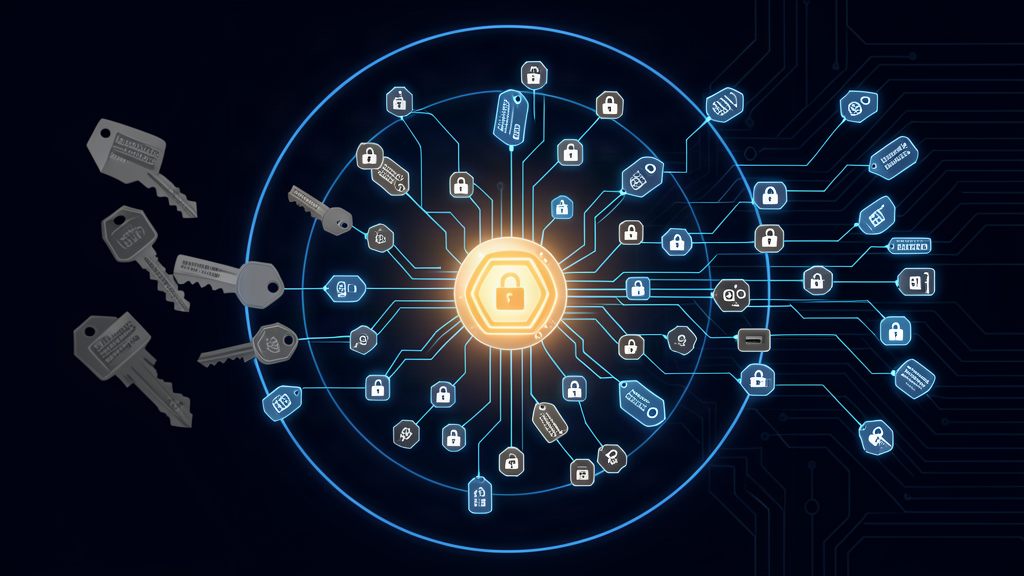
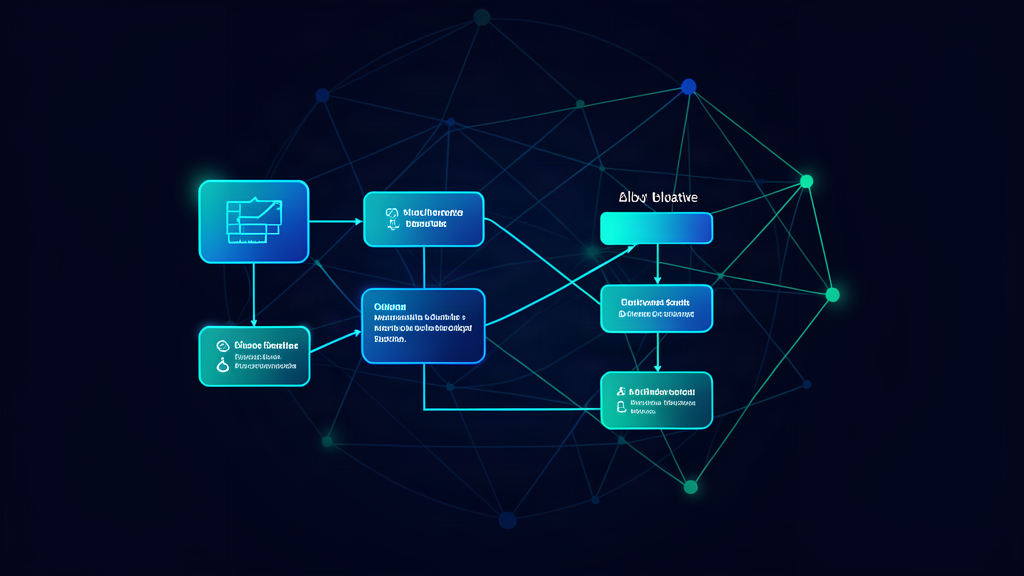
Legacy modernization is the structured process of moving away from these constraints — refactoring monoliths into cloud-native microservices, migrating aging databases, and replacing brittle integrations with modern APIs. The benefits are concrete and measurable:
- Agility: modern architectures let teams ship features in days instead of quarters.
- Scalability: cloud-native systems handle fluctuating demand without infrastructure constraints.
- Security: legacy systems often lack current security protocols, creating vulnerability gaps that expose enterprises to growing cyber threats.
- Reduced technical debt: every modernization step lowers the long-term cost of change.
But modernization is not a single event. It is a continuous discipline. The most successful enterprises treat it as an ongoing program — assessing systems, aligning stakeholders, and documenting dependencies before launching any initiative. Rushing a migration without understanding the existing architecture is how modernization projects fail.
AI-Assisted Engineering: From Pilots to Production
Artificial intelligence has moved from the demo stage to the delivery stage. In 2026, the defining shift is not the availability of AI tools — it is the transition from isolated pilots to governed, production-level integration across the entire software delivery lifecycle.
The numbers are striking. A significant share of all code written today is AI-generated, and the custom software development sector is projected to grow at a double-digit compound annual rate as businesses demand tailored solutions over one-size-fits-all products. But the organizations winning with AI are not the ones using it the most. They are the ones applying it thoughtfully to real business problems.
AI-assisted engineering changes how teams work in several concrete ways:
- Boilerplate automation: AI handles repetitive code, database schemas, and test scaffolding, freeing engineers for architecture and integration.
- Faster prototyping: natural-language prompts can generate application logic and API integrations, letting teams validate ideas quickly.
- Shifted focus: professional engineers concentrate on architecture, governance, and complex logic while AI manages routine work.
- Agentic workflows: autonomous systems that plan, execute, and self-correct multi-step tasks are the fastest-adopting trend in enterprise software.
Yet AI integration must be strategic. The era of chasing AI for its own sake is ending. Organizations need to identify specific pain points, ensure data readiness, and chart clear paths from prototype to production. The success stories are not those with the most AI — they are those who applied it to measurable business outcomes.
Governance Is the New Competitive Advantage
As AI moves into production, governance becomes non-negotiable. Retrieval-augmented generation (RAG) frameworks have grown dramatically in adoption, and a large share of large organizations now have RAG implementations. But a significant portion of those implementations never reach production — because of retrieval quality problems, insufficient governance, and a lack of systematic evaluation.
For enterprises, this is where the real work happens. AI governance is the software layer that manages risk, compliance, and performance across the AI lifecycle. It covers bias detection, explainability, human-in-the-loop review, model risk management, and continuous monitoring of models and agents in production.
The more an enterprise leans toward autonomous agents rather than static models, the more its governance stack needs runtime enforcement and continuous evaluation. This is not optional overhead — it is the foundation that makes AI safe to deploy at scale. Enterprises that build governance in from the start avoid the costly retrofits that stall AI programs later.
Cloud-Native Delivery and Security by Design
Modernization and AI adoption both depend on a cloud-native foundation. Containerized workloads, automated CI/CD pipelines, and infrastructure-as-code give enterprises the speed and reliability that legacy environments cannot provide. But cloud-native is not just about technology — it is about how teams operate.
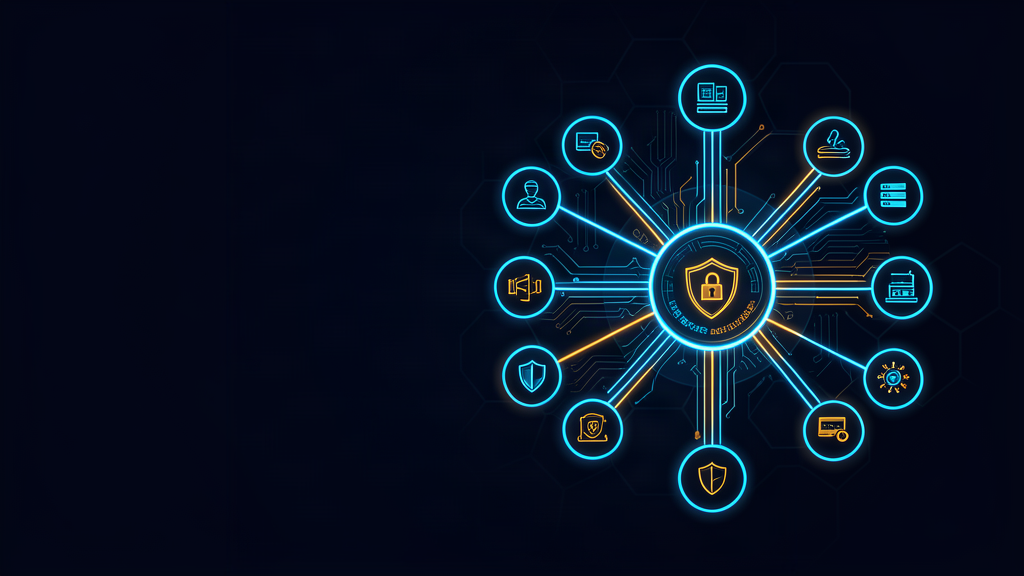
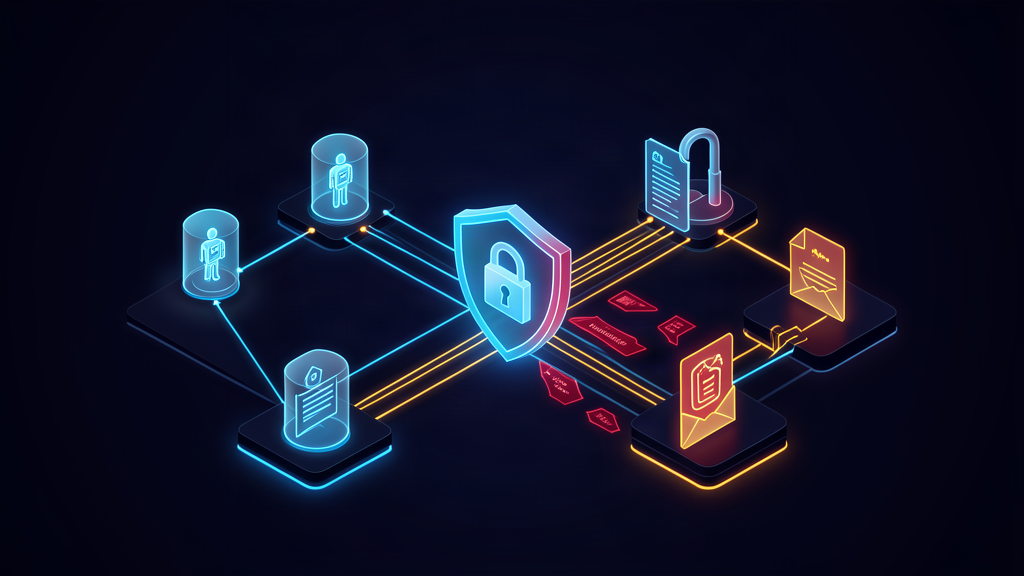
Security must be designed in, not bolted on. As enterprises modernize, they must embed security across the delivery lifecycle:
- Shift-left security: catch vulnerabilities early in the development pipeline, not after deployment.
- Zero-trust architecture: verify every request, regardless of where it originates.
- Compliance automation: bake regulatory requirements into CI/CD so audits become continuous rather than periodic.
- API security: protect the integrations that connect modern systems to legacy data and external partners.
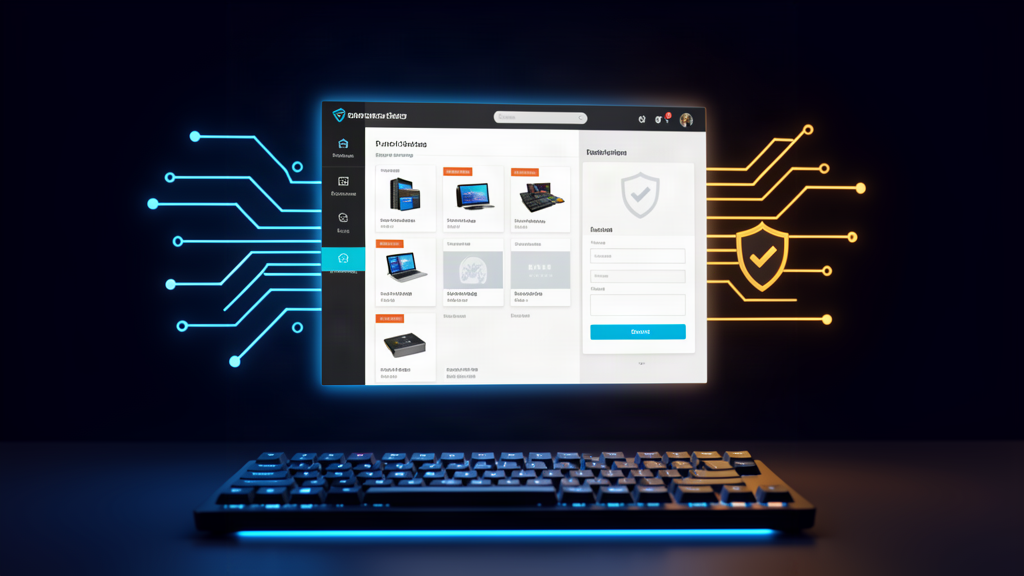
For e-commerce enterprises especially, security is a business imperative. A single breach erodes customer trust, triggers regulatory penalties, and disrupts revenue. Modernizing with security by design protects both the platform and the brand.
What This Means for Your Enterprise
The convergence of legacy modernization, AI-assisted engineering, and cloud-native delivery is not a technology trend — it is an operating model decision. The organizations achieving the greatest impact share a common approach: they treat modernization and AI adoption as process and organizational design exercises, not software installations.
They invest in data quality. They define clear ownership and governance. They align technology choices with measurable business outcomes. And they build incrementally, delivering value at every step rather than waiting for a single big-bang transformation.
If your enterprise software is holding you back, the path forward is clear. Start with an honest assessment of your current systems. Identify the pain points that matter most to the business. Then modernize deliberately — with AI where it adds real value, with governance from day one, and with security designed into every layer.
At Tech Hub Services, we help enterprises navigate exactly this journey — from legacy modernization and AI integration to cloud-native delivery and security. Whether you are planning your first modernization initiative or scaling an AI program to production, we build software that moves your business forward.
Contact Tech Hub Services at info@techhubservices.com or +1-416-477-6087 to start the conversation.