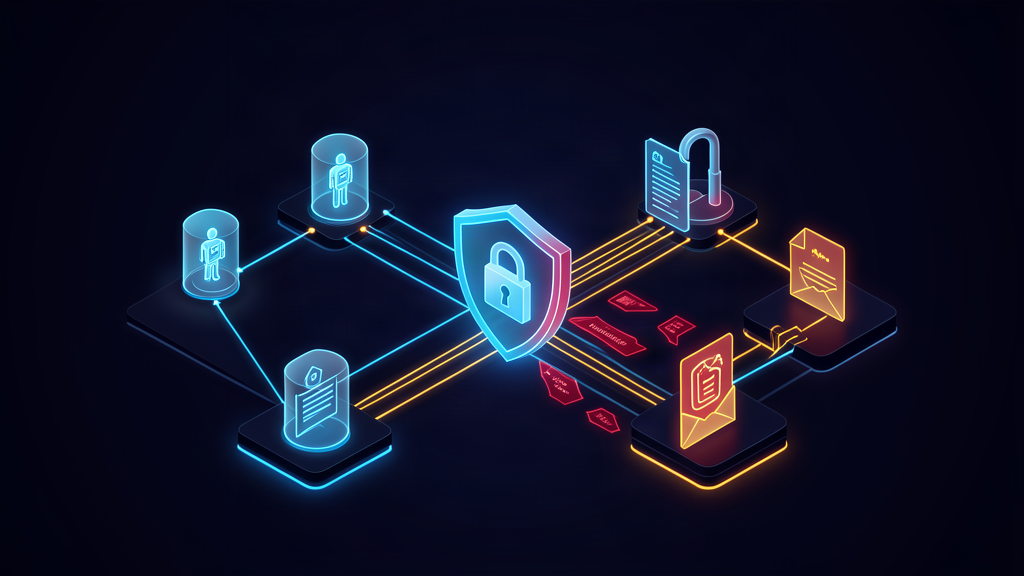

Enterprise cybersecurity in 2026 looks nothing like it did even two years ago. The attackers have industrialized, weaponizing artificial intelligence to launch faster, more coordinated, and more evasive campaigns. Meanwhile, the surface they attack has grown: cloud workloads, containerized applications, third-party software dependencies, and an expanding network of connected vendors. For software companies, SEO-driven digital agencies, and e-commerce operators alike, the old playbook of "build a firewall and hope" is no longer a strategy. It is a liability.
This guide breaks down the security threats that matter most to enterprises in 2026, the defenses that actually work, and how a shift from prevention to resilience can protect revenue, reputation, and customer trust.
The 2026 Threat Landscape: What Has Actually Changed
The most significant shift is that threats are no longer isolated. Attackers now run coordinated, multi-vector campaigns that combine phishing, credential theft, software exploits, and supply chain compromise in a single operation. Three forces are driving this change:
- AI-powered attack automation. Malicious actors use large language models and machine learning to write convincing phishing emails, generate malicious code faster, and automate reconnaissance across targets. What used to require a skilled human operator can now be done at scale in minutes.
- Ransomware industrialization. Ransomware has moved from single-extortion encryption to multi-extortion campaigns that combine data theft, encryption, and public leaks to pressure victims into paying.
- Supply chain targeting. Rather than breaking into a well-defended enterprise directly, attackers increasingly compromise a smaller third-party vendor or a shared software dependency and use it as a foothold into dozens of downstream victims at once.
For e-commerce businesses, the exposure is especially acute. Retailers process payment data, manage loyalty programs, and run high-volume transactions across dynamic websites. That makes them prime targets for card skimming, credential stuffing, and seasonally timed attacks during peak shopping periods. A single breach can halt sales, erode customer trust, and trigger compliance penalties that dwarf the cost of the incident itself.
AI Is Both the Threat and the Defense
It would be a mistake to treat artificial intelligence only as a problem. In 2026, AI-driven detection is one of the most powerful tools defenders have. Security operations centers that once relied on manual triage now use AI to detect anomalies, correlate events, and respond to threats in real time. This is the difference between discovering a breach weeks after it happens and containing it in minutes.
Behavioral analytics systems learn what normal looks like for each user and workload, then flag deviations that signal compromise. AI-driven threat intelligence consumes feeds from across the industry to identify emerging attack techniques before they reach your network. The enterprises that fare best are those that treat AI as a force multiplier for their security team, not a replacement for it.
But the same technology works for attackers. AI-assisted reconnaissance lets adversaries map your attack surface automatically. Deepfakes are now sophisticated enough to fool identity verification and voice authentication. The lesson is that your defenses must be equally adaptive, continuously learning and evolving to keep pace with an opponent that never sleeps.
Zero Trust: The New Baseline, Not a Buzzword
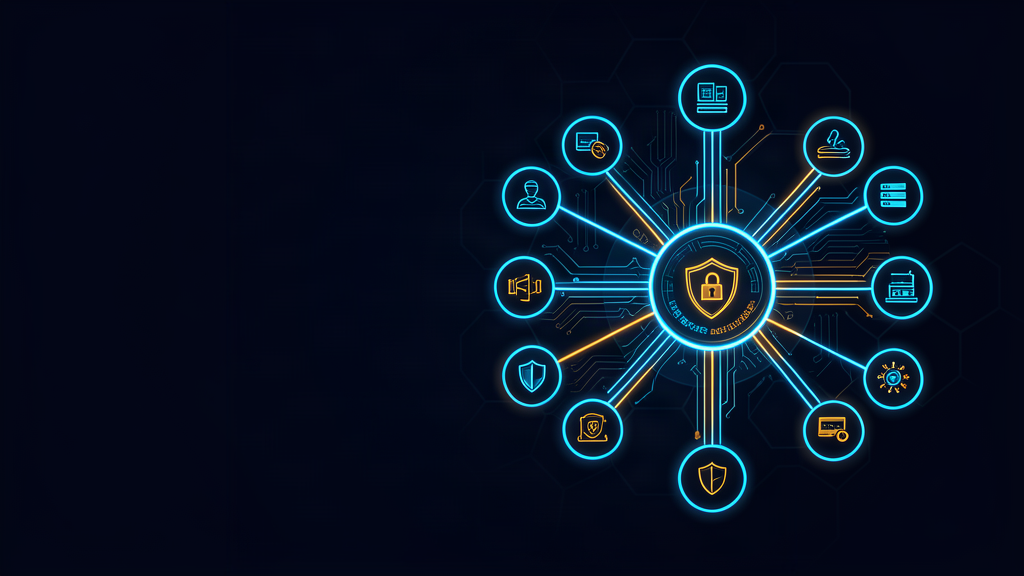
For years, security was built on a trusted-inside, untrusted-outside model. Once someone was inside the corporate network, they were largely trusted. In 2026, that assumption is dangerous. Zero Trust replaces it with a simple principle: never trust, always verify. Every access request, whether from a remote employee, a server, or a third-party integration, must be authenticated, authorized, and continuously validated.
Operationalizing Zero Trust means more than buying a single product. It requires:
- Identity and access management. Enforcing least-privilege access so users and services can only reach what they need.
- Multi-factor authentication everywhere. Requiring more than a password for every sensitive action.
- Network segmentation. Containing a compromise so it cannot spread laterally across the environment.
- Continuous monitoring. Validating that access remains appropriate throughout a session, not just at login.
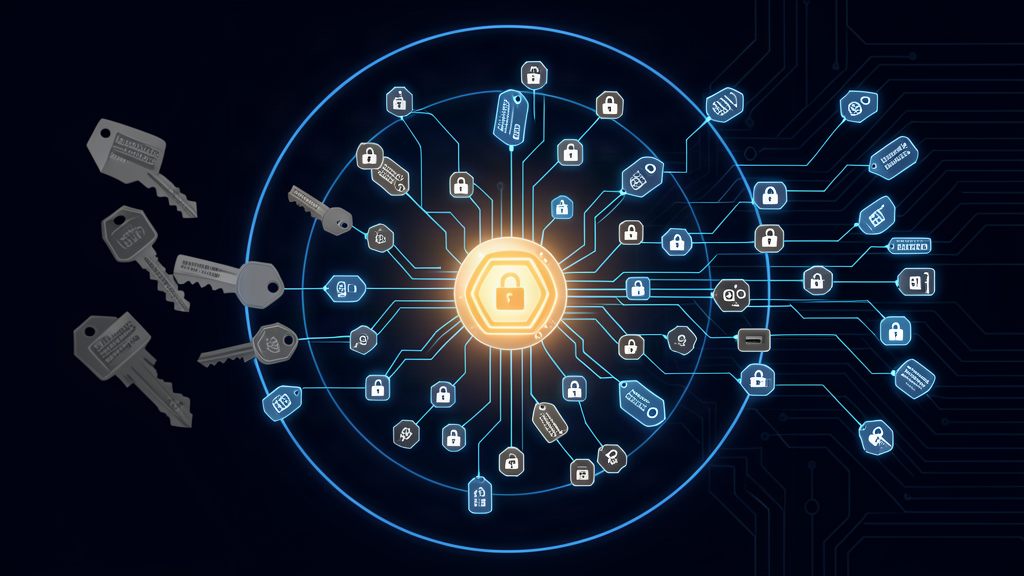
For enterprises that have adopted cloud, containers, and Kubernetes, Zero Trust is not optional. Cloud-native environments are dynamic and boundaryless by design, which means the old perimeter model simply cannot protect them. Workload identity and continuous verification are the only realistic way to secure them. Cloud security has become its own discipline, covering multi-cloud configurations, containerized workloads, Kubernetes deployments, serverless functions, and SaaS platforms. These environments need real-time visibility, workload protection, and compliance monitoring that legacy tools were never designed to provide. Misconfigured cloud environments and unclear data residency policies remain a leading cause of exposure, and as regulations tighten around where data may be stored, the compliance challenge only grows.
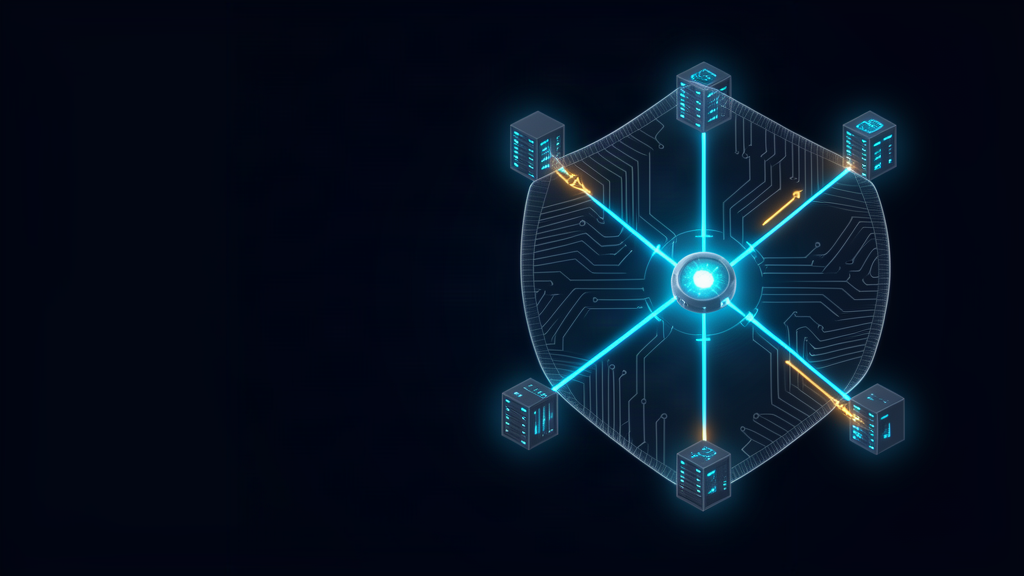
Edge computing adds yet another layer of complexity. As more processing moves to the edge of the network, closer to users and devices, security controls must follow. Encrypting data in transit, enforcing device identity, and ensuring edge workloads are patched and monitored are all necessary to keep this growing attack surface under control. Zero Trust provides the unifying model that ties cloud, container, edge, and on-premises environments together under a single, consistent set of trust rules.
Supply Chain and Third-Party Security
The software supply chain is one of the most exploited attack vectors in 2026. Modern applications are assembled from thousands of open-source dependencies, and any one of them can become an entry point. Attackers have shown they can inject malicious code into popular packages, compromise build pipelines, and use trusted vendor relationships to reach multiple organizations through a single point of failure.
Supply chain security has therefore evolved from a simple vendor risk questionnaire to continuous, end-to-end visibility. Key practices include:
- Software Bills of Materials (SBOMs). Maintaining a machine-readable inventory of every component and dependency in your software.
- Vulnerability management. Continuously scanning dependencies and applying patches before they can be exploited.
- Continuous monitoring of third parties. Assessing vendor security not once a year but on an ongoing basis, using real-time telemetry.
- Secure build pipelines. Protecting the tools and processes that produce your software from tampering.
No enterprise is an island. The security of your customers, partners, and vendors is part of your security. Organizations that treat supply chain risk as a first-class concern are dramatically less likely to be caught in a downstream breach.
From Prevention to Cyber Resilience
The most important mindset shift in 2026 is moving from pure prevention to resilience. Prevention assumes you can keep attackers out. Resilience accepts that breaches are inevitable and focuses on your ability to detect them quickly, respond effectively, and recover with minimal disruption.
A cyber resilience framework is built on several pillars:
- Business continuity planning. Documenting how the organization will keep operating during and after an attack.
- Redundant systems and processes. Ensuring critical functions have failover options.
- Immutability and backups. Maintaining clean, tamper-proof backups that cannot be encrypted or deleted by ransomware.
- Incident response orchestration. Having a clear, rehearsed playbook for who does what when an incident occurs.
- Regular testing. Running tabletop exercises and simulations so the team is prepared before a real crisis, not learning on the job.
Security leadership matters here too. Cybersecurity must be championed at the executive level, with the C-suite setting the tone and allocating real budget. When security is treated as an afterthought or a compliance checkbox, it fails. When it is treated as a business priority, it becomes a competitive advantage.
Compliance Is Getting Tougher for Every Company
Regulatory pressure is expanding beyond large corporations. Small and mid-sized businesses now face requirements that previously applied only to the biggest enterprises. Data protection laws, cybersecurity obligations, and increased oversight in e-commerce and digital services are all tightening. A small e-commerce business may now need to comply with multiple layers of rules simultaneously, from platform requirements to sector-specific regulations to general marketing and privacy law.
Key frameworks and standards that enterprises should know include the NIST Cybersecurity Framework and CIS Controls for practical guidance, ISO 27001 for information security management, and GDPR and PIPEDA for data protection depending on where you operate. Staying on top of these is not just about avoiding fines. It is about demonstrating to customers and partners that their data is in safe hands, which is itself a powerful trust signal in a crowded market.
Building an Enterprise Security Roadmap for 2026
Where do you start? A pragmatic security roadmap balances quick wins with long-term transformation:
- Audit your AI crawler and third-party access. Confirm you are not accidentally exposing systems or data to tools and services you do not control.
- Inventory your attack surface. Know every cloud workload, container, dependency, and vendor in your environment.
- Harden identity. Roll out multi-factor authentication and least-privilege access across the organization.
- Implement continuous monitoring. Use AI-driven detection to find anomalies before they become breaches.
- Secure your software supply chain. Adopt SBOMs, dependency scanning, and secure build practices.
- Test your response. Run tabletop exercises and validate your backups and recovery procedures.
- Make security a board-level priority. Tie security investment to business risk and revenue protection.
Conclusion
Enterprise cybersecurity in 2026 is not about building higher walls. It is about accepting that attackers will adapt, and building an organization that can detect, respond, and recover faster than the threat evolves. AI is reshaping both sides of the fight. Zero Trust is the new baseline. Supply chains are a primary attack vector. And resilience, not just prevention, is the goal.
For software developers, digital marketers, and e-commerce operators, security is no longer a separate department's problem. It is woven into every line of code, every customer interaction, and every partnership. The enterprises that thrive in 2026 are the ones that treat security as a continuous, executive-led investment in trust and resilience.
At Tech Hub Services, we help enterprises build secure software, protect their digital storefronts, and stay ahead of evolving threats. Contact us at info@techhubservices.com or +1-416-477-6087 to discuss your security strategy.