
Why Enterprise Cybersecurity Is No Longer Optional in 2026
For years, many enterprises treated cybersecurity as an IT back-office function — a checklist of firewalls, antivirus licenses, and annual penetration tests. In 2026, that mindset is dangerously obsolete. The threat landscape has expanded faster than most security teams can keep up with: AI-powered attacks, sprawling cloud and multi-cloud estates, remote and hybrid workforces, a vast network of third-party suppliers, and millions of connected IoT devices. Every one of these is an entry point a determined adversary can exploit.
Cybersecurity has shifted from an IT concern to a board-level, business-critical priority. A single breach no longer means just a technical cleanup — it means regulatory fines, legal exposure, lost customer trust, operational downtime, and permanent damage to brand equity. This article lays out the defining cybersecurity trends of 2026, the threats every enterprise must plan for, and the practical steps you can take to build a resilient security posture.
Defining Trends Shaping Enterprise Security in 2026
Several forces are redefining how enterprises defend themselves. Understanding these trends is the first step toward making informed investments in the right people, tools, and processes.
1. Agentic AI in Both Attack and Defense
Artificial intelligence is no longer just a defensive tool — it is now an equal-opportunity weapon. Threat actors are using AI agents to automate vulnerability discovery, scale social engineering campaigns, and craft highly convincing phishing lures at a volume no human team can match. Industry analysts project that a significant share of enterprise applications will incorporate agentic AI in the near term, which means AI must be treated as both an asset and an attack surface.
On the defense side, AI-driven threat detection platforms can analyze enormous volumes of data far faster than human analysts, correlating events across endpoints, networks, identities, and cloud workloads in milliseconds. The key is pairing machine speed with human oversight. Build AI governance layers that continuously test your AI systems against misuse, and never let automated defenses run without clear accountability. Security teams that learn to supervise AI rather than compete with it will hold a decisive advantage.
2. Continuous Exposure Management Replaces Periodic Scanning
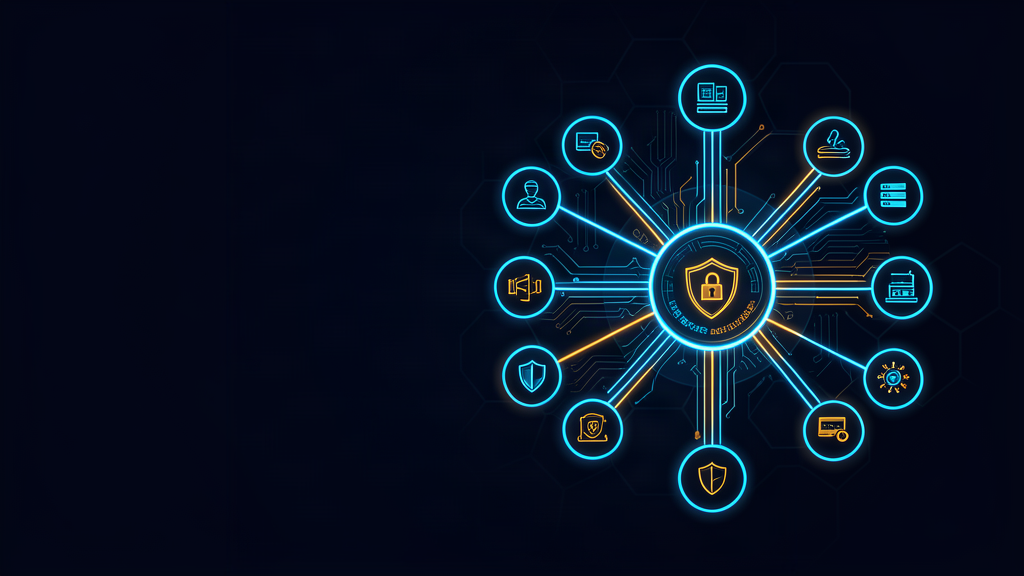
Traditional vulnerability scanning — run quarterly, review the report, patch what you can — cannot keep pace with modern threats. Attack surfaces have grown beyond simple software patches to include cloud configurations, identities, APIs, and third-party systems. Continuous Exposure Management (CEM) flips the model: instead of looking for vulnerabilities on a schedule, it continuously identifies, prioritizes, and manages risk in real time.
Organizations that adopt CEM platforms are significantly less likely to suffer a breach. These tools integrate attack-path analysis and remediation guidance across the entire IT ecosystem, giving security teams a live picture of where they are most exposed and what to fix first. Instead of drowning in a list of thousands of potential issues, you get a prioritized view of the exposures that genuinely matter to your business and a clear path to closing them.
3. Zero Trust and Identity-First Security
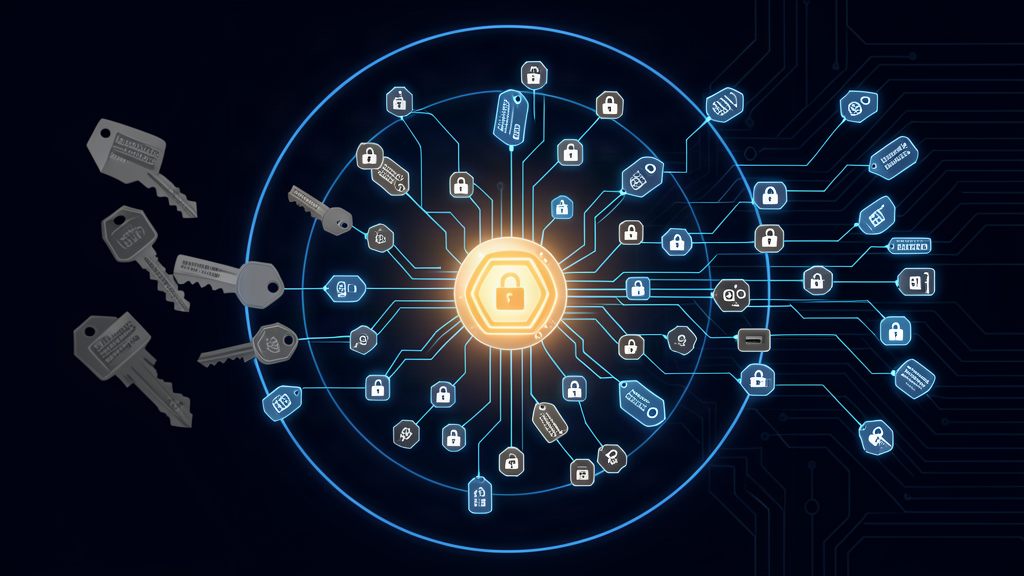
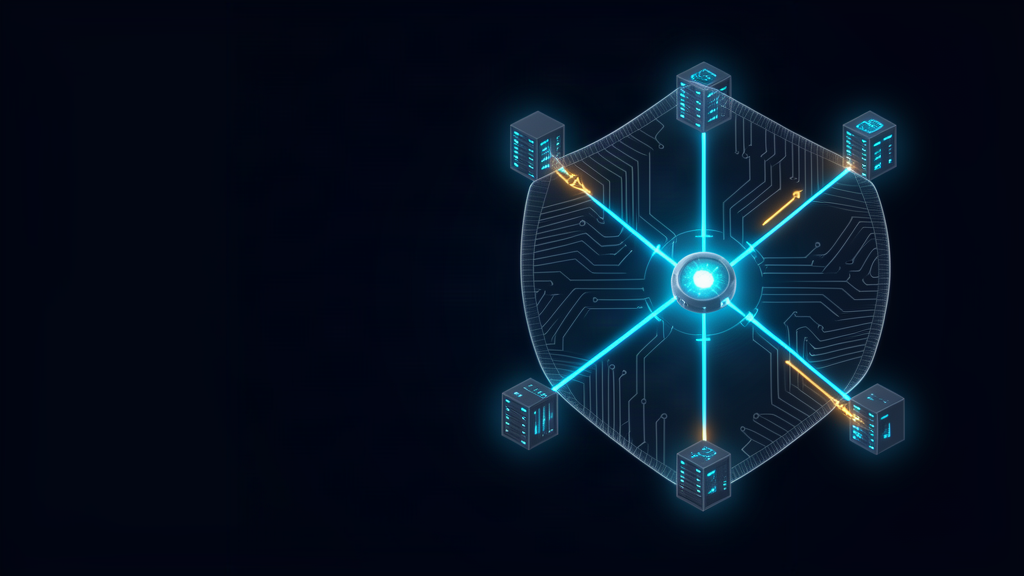
The traditional perimeter — the castle-and-moat model — has failed. In a world of cloud workloads, remote workers, and shared infrastructure, there is no inside to trust. Zero Trust flips the assumption: no user, device, or network is trusted by default, and every access request is verified before it is granted.
Identity has become the new security perimeter. Credential abuse remains one of the top attack vectors, so identity governance, adaptive multi-factor authentication (MFA), passkeys, and continuous risk scoring are no longer optional. If your enterprise still relies on static passwords and location-based trust, you are operating with a fundamental weakness that attackers will eventually find. Zero Trust is not a single product; it is a collection of principles — verify explicitly, use least privilege, and assume breach — applied consistently across every layer of the stack.
4. AI-Enabled Threat Prediction and Automation
Security operations centers (SOCs) are drowning in alert fatigue and short on skilled analysts. AI-enabled threat prediction changes the equation by analyzing historical incidents to forecast likely attack vectors before they occur. Predictive models help teams prioritize alerts, automate initial response workflows, and cut detection times dramatically. The goal is to move from reacting to threats to anticipating them, so that your defenders spend their limited time on the incidents that pose real risk rather than chasing false positives.
5. Deepfakes and Synthetic Identity Threats
Generative AI has made it trivial to create realistic fake audio, video, and documents. Deepfakes can bypass voice-based authentication, coerce employees into transferring funds, and fuel disinformation and fraud. These attacks are occurring with alarming frequency, and they target both technical controls and human trust.
Mitigation requires digital identity verification, AI-based content authenticity tools, and employee training that teaches people to verify unusual requests through independent channels — not the contact details embedded in a suspicious message. A simple, well-practiced rule — always confirm high-value requests out of band — can neutralize a large portion of this threat class.
6. Ransomware Evolution and Resilience
Ransomware has evolved into double and triple extortion: attackers not only encrypt your data but also steal it and threaten to leak it, and they increasingly target supply chains to hit multiple victims at once. Ransomware attacks on critical industries have grown sharply year over year, and the financial and reputational damage now routinely runs into the millions of dollars.
Defense requires immutable backups, network segmentation, incident response orchestration, and regular tabletop exercises. The goal is resilience — not just prevention — so you can recover quickly and minimize the blast radius when an attack occurs. Organizations that have practiced their response and can restore from immutable backups are far less likely to be forced into paying a ransom.
Emerging Threats Every Enterprise Must Plan For
Beyond the major trends, several specific threats deserve focused attention. Each of these can become an entry point, an accelerant, or a multiplier for a larger attack.
- Supply-chain attacks: Adversaries increasingly target your vendors and third-party software to reach you. Vet suppliers, enforce security requirements in contracts, and monitor your software bill of materials for compromised or outdated components.
- Cloud misconfiguration: Misconfigured cloud storage, databases, and access controls remain one of the most common and preventable causes of breaches. Automate configuration checks and enforce least-privilege access across every cloud account.
- API abuse: As applications become more API-driven, exposed and poorly secured APIs are a growing attack surface. Inventory your APIs, and enforce strong authentication, rate limiting, and proper authorization on every endpoint.
- Insider threats: Whether malicious or accidental, insiders with legitimate access can cause outsized damage. Apply least-privilege principles, monitor for anomalous behavior, and implement strong access controls around your most sensitive data.
- Quantum-computing risk (preparation): While quantum attacks are not imminent, the data you encrypt today may be vulnerable in the future. Start preparing your encryption strategy now and track post-quantum cryptography standards as they stabilize.
Building a Resilient Security Posture: Practical Steps
Resilience is not a single product you buy; it is a set of practices you embed across the organization. Here are the actions that matter most, in roughly the order you should take them.
Adopt a Secure-by-Design and DevSecOps Approach
Security can no longer be retrofitted after a product ships. Embed security into the entire software development lifecycle. Shift security testing left into CI/CD pipelines, automate code analysis, enforce secure coding standards, and treat security as a design requirement from the first line of code. This approach reduces vulnerabilities and accelerates secure innovation rather than slowing it down. When developers, operations, and security teams work from the same playbook, you stop shipping known weaknesses into production.
Consider Managed Detection and Response (MDR)
Few enterprises have the in-house resources to run 24/7 monitoring and advanced threat hunting. Managed Detection and Response services pair advanced security platforms with human expertise, giving you continuous detection, investigation, and response. For many organizations, MDR is the most cost-effective way to close the skills gap and improve response times. It lets a smaller internal team act as a strategic layer while an expert provider handles the day-to-day monitoring burden.
Stay Ahead of Compliance and Governance
Regulators worldwide are increasing cybersecurity obligations for any organization handling sensitive or critical data. Non-compliance carries hefty fines and operational restrictions. Automate compliance checks, maintain clear audit trails, and treat cyber risk governance as a standing board-level agenda item. Frameworks such as ISO 27001 and the NIST Cybersecurity Framework provide a solid foundation for your program, giving you a repeatable structure for assessing, managing, and communicating risk.
Invest in Your People
Employees remain the first line of defense — and the weakest link when untrained. Effective, ongoing security awareness training dramatically reduces the risk of phishing and social engineering. Run realistic simulations, make reporting easy, and build a culture where security is everyone's responsibility rather than the exclusive domain of the IT department. A well-trained workforce is one of the highest-return security investments you can make.
Building Your Security Roadmap for 2026 and Beyond
A resilient security posture is built step by step. Start with a clear-eyed assessment of where you are today, and prioritize actions based on the risk they reduce relative to the effort they require.
- Assess and inventory: Map your critical assets, data flows, identities, and third-party dependencies. You cannot protect what you do not know you have.
- Harden the basics: Enforce MFA everywhere, patch ruthlessly, segment your network, and lock down cloud configurations. The fundamentals prevent most attacks.
- Build detection and response: Stand up logging, monitoring, and an incident response plan — and practice it. Assume you will be breached and plan for how you will respond.
- Embrace continuous improvement: Revisit your posture regularly, learn from incidents and near-misses, and adjust as new threats and new regulations emerge.
How Tech Hub Services Can Help
At Tech Hub Services, we build enterprise software, optimize e-commerce platforms, and strengthen security posture for organizations across industries. Our security services combine secure-by-design development, DevSecOps practices, continuous exposure management, and practical guidance that translates technical risk into clear business decisions. We help you protect your customers, your revenue, and your reputation — without slowing down the innovation that keeps you competitive.
Cybersecurity in 2026 is not a one-time project — it is an ongoing commitment. The enterprises that treat security as a core business function, invest in the right tools and people, and plan for resilience will be the ones that thrive. The rest will learn the cost of inaction the hard way.
Ready to harden your enterprise? Contact Tech Hub Services to discuss a security assessment and roadmap tailored to your business.