
Why Application Security Can No Longer Be an Afterthought
In 2026, the average cost of a data breach in the United States has climbed to an all-time high of more than $10 million per incident. For enterprise software companies, e-commerce operators, and the agencies that build for them, that number is not an abstract statistic — it is a direct threat to revenue, customer trust, and long-term survival. Yet too many organizations still treat security as a final checklist item, bolted on after the features are built and the marketing site is live.
That approach is no longer viable. Modern applications are more interconnected than ever, running across cloud infrastructure, third-party dependencies, APIs, and containers. Every one of those components is a potential entry point. The organizations that win in 2026 are the ones that embed security into every stage of the software lifecycle — from design and development to testing, deployment, and ongoing maintenance.
At Tech Hub Services, we build enterprise software, e-commerce platforms, and SEO-driven digital experiences for businesses across North America. Security is not a feature we add at the end; it is the foundation we build on. In this guide, we break down the application security practices that matter most in 2026 and how you can apply them to protect your business.
The Real Cost of Ignoring Security
Before we talk about solutions, it is worth understanding the stakes. A single breach can cascade through an organization in ways that are difficult to reverse:
- Direct financial loss — stolen funds, fraud, and the cost of incident response and remediation.
- Regulatory penalties — fines under frameworks like PCI DSS, GDPR, and industry-specific compliance regimes.
- Reputational damage — customers lose confidence, and that loss is often permanent.
- Operational disruption — downtime that halts sales, support, and internal workflows.
- Legal exposure — lawsuits from affected customers and business partners.
For e-commerce businesses, the risk is amplified. Online stores handle payment card data, personal information, and order histories — exactly the data attackers want. A single SQL injection or cross-site scripting (XSS) vulnerability can expose thousands of customer records in minutes.
Shift Security Left: Build It Into Development
The most effective security strategy is to catch vulnerabilities before they ever reach production. This is the philosophy behind "shifting left" — integrating security testing early in the development process rather than waiting until the end.
Secure Design and Threat Modeling
Security starts at the architecture level. Before a single line of code is written, your team should model the threats your application will face. What data does the system handle? Who should have access to it? What happens if an attacker compromises a component? Answering these questions during design prevents costly rework later.
Secure Coding Practices
Developers must be trained in secure coding standards that address the OWASP Top 10 — the most common and dangerous web application vulnerabilities. This includes proper input validation, output encoding, parameterized queries to prevent SQL injection, and strict session management. When security is a habit rather than a hurdle, it becomes far cheaper to maintain.
Use Multiple Testing Methods for Full Coverage
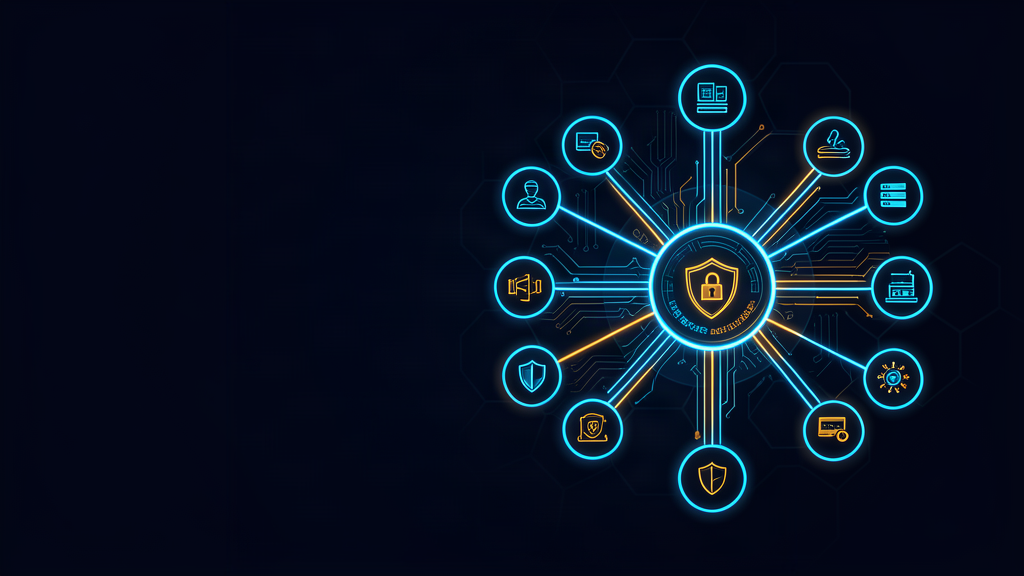
No single testing tool catches everything. A mature application security program combines several complementary approaches:
- SAST (Static Application Security Testing) — analyzes source code for vulnerabilities without running it, catching issues early in development.
- DAST (Dynamic Application Security Testing) — tests the running application from the outside, simulating how an attacker would probe it.
- SCA (Software Composition Analysis) — scans third-party dependencies and open-source libraries for known vulnerabilities.
- API Security Testing — validates that APIs enforce proper authentication, authorization, and rate limiting.
- Penetration Testing — ethical hackers simulate real-world attacks to uncover flaws that automated tools miss.
Automating these tests inside your CI/CD pipeline means every code change is checked before it ships. Vulnerabilities are caught in minutes, not months, and developers get immediate feedback they can act on.
Protect the Software Supply Chain
Modern applications are built on a foundation of open-source libraries and third-party components. That foundation is also a growing attack surface. Attackers increasingly target the supply chain, injecting malicious code into popular packages or exploiting known vulnerabilities in dependencies that organizations forget to update.
To protect your supply chain, maintain a Software Bill of Materials (SBOM) — a complete inventory of every component in your application. Use SCA tools to continuously monitor those components for newly disclosed vulnerabilities, and apply patches without delay. A disciplined patching regimen, applied consistently to applications and their dependencies, is one of the simplest yet most effective defenses you can implement.
Harden Authentication and Access Control
Weak authentication is the gateway to most breaches. In 2026, password-only protection is no longer acceptable for any system that handles sensitive data.
Multi-Factor Authentication (MFA)
Require MFA for all administrative accounts and any user with access to sensitive systems. Even if a password is compromised, MFA provides a critical second layer of defense that stops most account-takeover attacks.
Principle of Least Privilege
Every user and service should have only the minimum access required to do its job. Granular access controls, role-based permissions, and scheduled access windows reduce the blast radius of any single compromised account.
Strong Session Management
Implement short session timeouts, secure cookie flags, and proper logout mechanisms. Sessions that linger indefinitely are an open invitation to attackers who have already gained a foothold.
E-Commerce Security and PCI DSS Compliance
For online stores, security is not optional — it is a compliance requirement. The Payment Card Industry Data Security Standard (PCI DSS) applies to any business that stores, processes, or transmits cardholder data. The latest version, PCI DSS 4.0, places a strong emphasis on continuous vulnerability management and client-side security.
Protect the Payment Page
PCI DSS 4.0 enhances client-side security by requiring organizations to protect the integrity of their payment pages against script tampering. Implement a strict Content Security Policy (CSP) to control which scripts are allowed to run, and monitor for unauthorized modifications.
Use a Web Application Firewall (WAF)
A WAF sits between your server and the internet, filtering HTTP traffic and blocking common attacks like SQL injection and XSS before they reach your application. It is an essential layer of defense for any e-commerce platform.
Keep Everything Updated
Outdated plugins, themes, and core software are among the most common entry points for malware. If you run a CMS like WordPress with WooCommerce, keep every component patched and monitor for vulnerabilities continuously. A virtual patch can protect you immediately when a new flaw is disclosed, even before an official fix is available.
Automate Patch Management and Monitoring
Security is not a one-time project; it is an ongoing discipline. Automate patch management wherever possible, documenting all changes and verifying updates. Run vulnerability scans regularly to detect outdated software or misconfigurations that require attention. Establish defined timelines and a clear escalation process for patching critical flaws so that nothing falls through the cracks.
Real-time monitoring is equally important. Detect and respond to security incidents as they happen, minimizing the impact of a breach. Log analysis, anomaly detection, and alerting give you the visibility you need to act before damage spreads.
Build a Culture of Security
Technology alone cannot protect your business. The human element matters just as much. Ongoing security education ensures that employees recognize phishing attempts, follow safe password practices, and understand their role in protecting company data. A security-aware culture turns every team member into a line of defense rather than a liability.
How Tech Hub Services Can Help
At Tech Hub Services, we combine enterprise software development, e-commerce expertise, and a security-first mindset to build digital products that are both powerful and protected. Whether you need a secure e-commerce platform, a custom enterprise application, or a comprehensive security assessment of your existing systems, our team has the experience to deliver.
We also understand that security is a continuous process. That is why we build monitoring, testing, and remediation into everything we ship — so your business stays protected long after launch. If you are ready to take your application security seriously, contact us today to discuss how we can help you build with confidence.
Ready to secure your digital business? Reach out to Tech Hub Services and let's build something safe, scalable, and successful together.