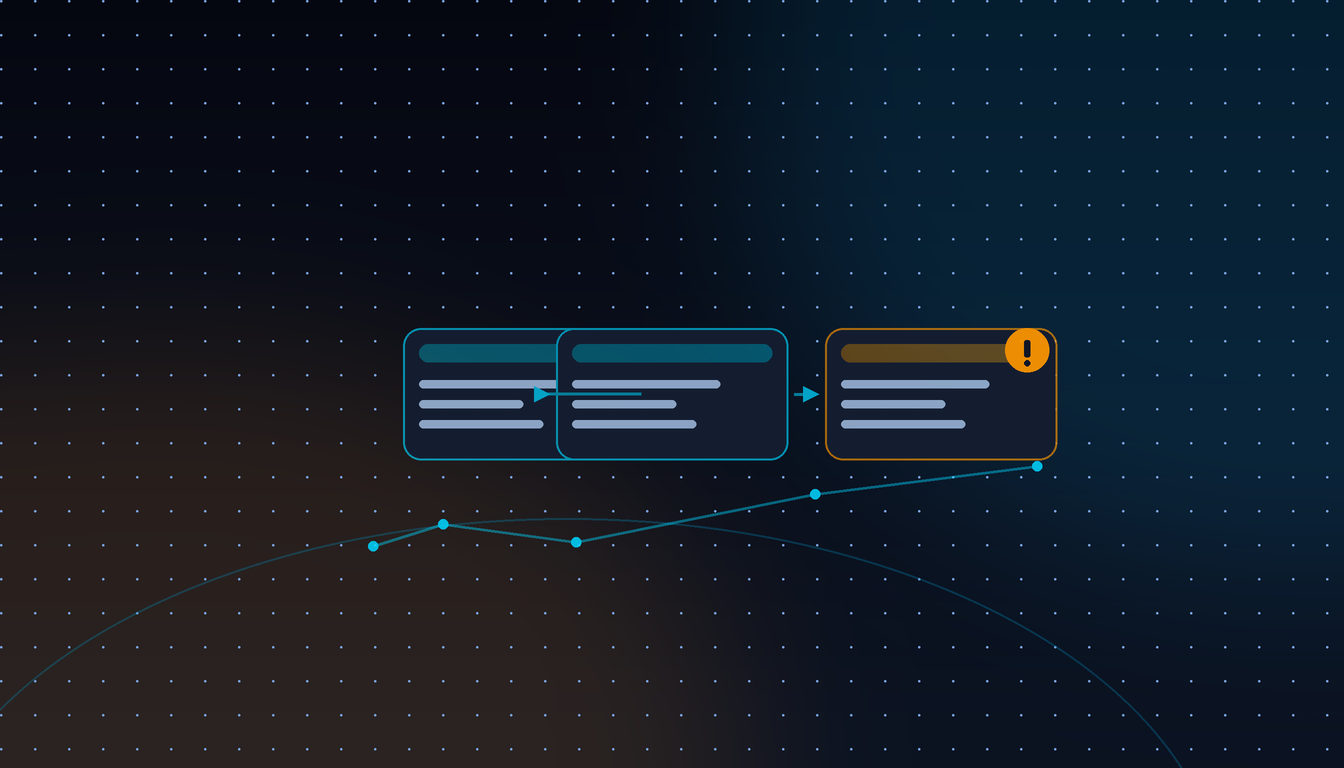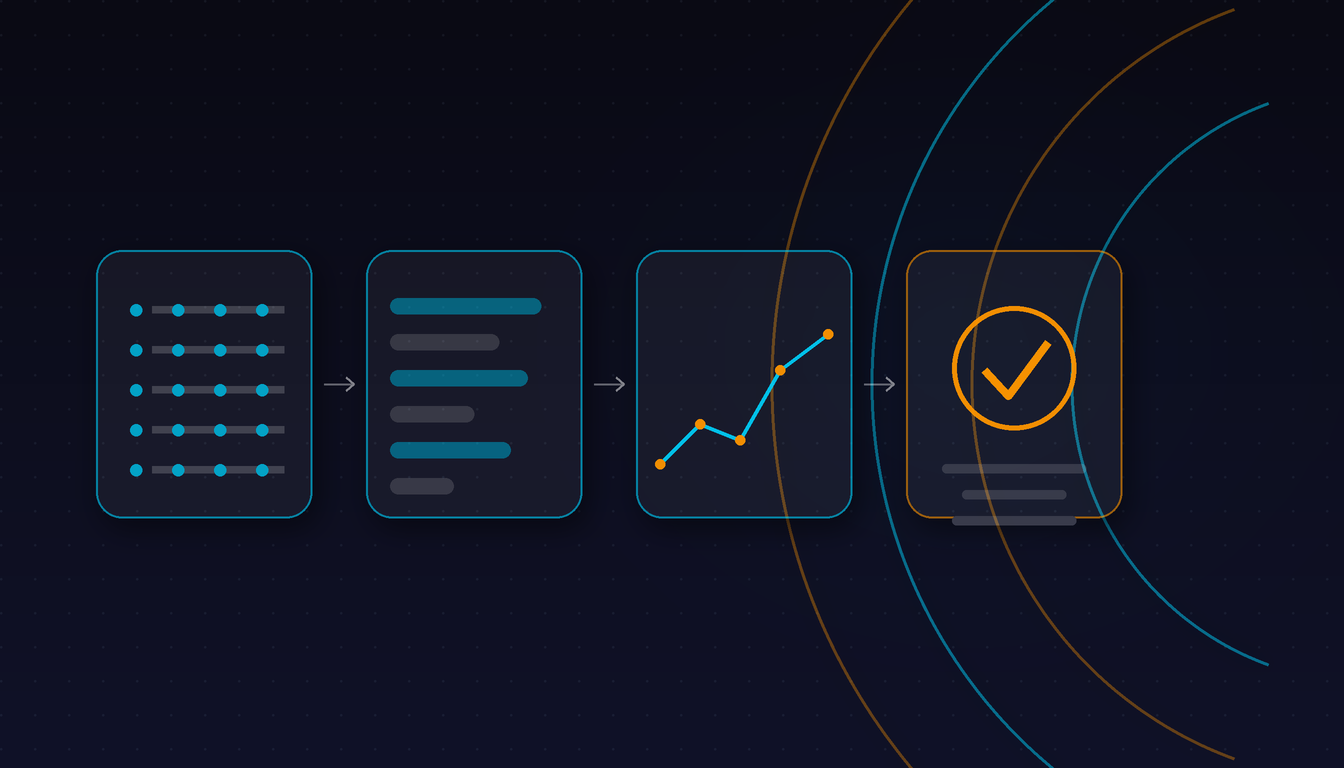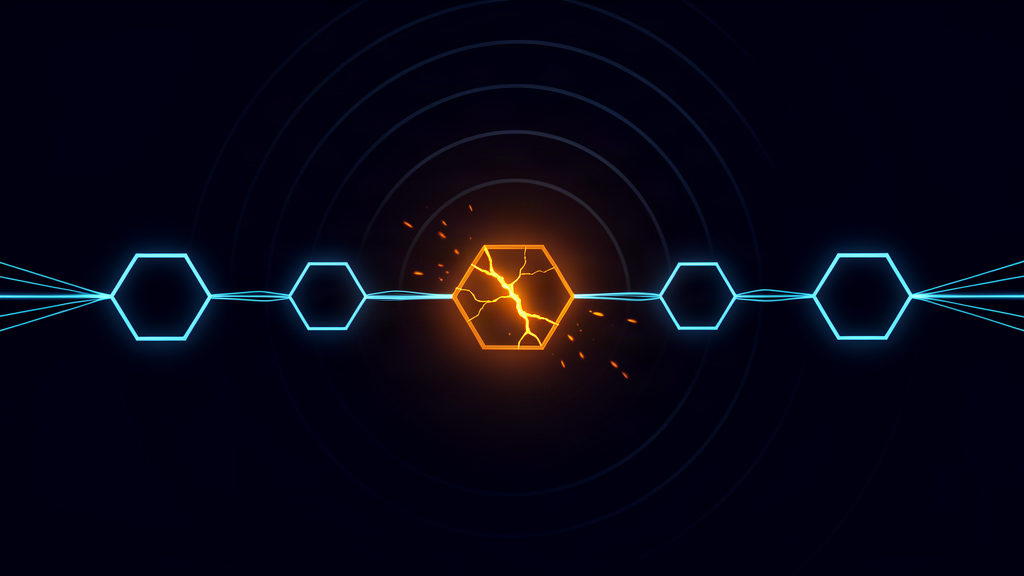

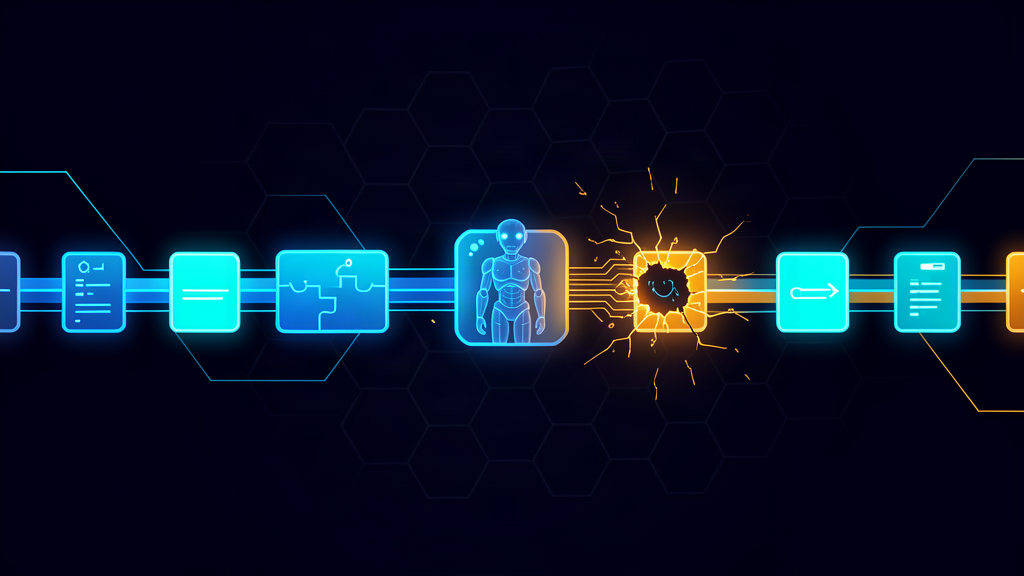
On February 9, 2026, a security researcher demonstrated that you could compromise a company's production releases by opening a GitHub issue. The target was Cline, an AI coding assistant. Its automated issue-triage workflow read the issue title, treated it as a set of instructions, and carried them out. Security researcher Adnan Khan documented the chain under the name "Clinejection," and the same attack was reportedly exploited in the wild eight days later. No password, no stolen token, no zero-day in a dependency. The whole thing turned on a sentence that an AI agent mistook for a command.
That case is not an outlier. In June 2026, the Cloud Security Alliance published research showing that AI coding agents wired into GitHub Actions could be hijacked the same way, through issue titles, pull-request comments, and other repository metadata. Independent researchers at Aikido Security reproduced the pattern across multiple agent platforms. What used to be a single-vendor bug is now a category. If your software delivery pipeline has an AI agent anywhere inside it, the pipeline has a new attack surface, and most teams have not mapped it.
Why an AI agent is a different kind of supply chain risk
Traditional supply chain security assumes a clean boundary between code you wrote and code you imported. You pin versions, verify checksums, and read the diff before you merge. The trust decision happens at the boundary, and a human makes it.
An AI agent dissolves that boundary. It reads untrusted input by design. Tickets, emails, documents, web pages, API responses, and commit messages are all things you ask it to interpret. At the same time, it runs with real credentials, often the same broad tokens your CI jobs use. It takes actions without a human in the loop, because that autonomy is the entire point.
Put those two facts together and the risk becomes plain: an agent that reads attacker-controlled text while holding credentials potent enough to act on it. About 34 percent of deployed agents show prompt-injection exposure, according to OWASP's Top 10 for Large Language Model Applications, where injection is the number-one risk. The same guidance notes that only 14.4 percent of organizations send agents to production with full security or IT approval, based on HiddenLayer's 2026 AI Threat Landscape Report. Most of these systems are running on informal sign-off.
If an agent can call an API it does not need, an attacker who controls that agent can call that API too. The blast radius of any compromise scales directly with the agent's permissions.
Where the attack actually lands
The OWASP Top 10 for Agentic Applications, published in late 2025 and refined through 2026, is the first taxonomy built specifically for autonomous systems. It organizes the risks under identifiers ASI01 through ASI10, and four of them map directly onto the supply chain problem.
Agent goal hijack
This is the injection itself, catalogued as ASI01. An attacker plants instructions in content the agent will eventually read, and the agent treats those instructions as its own objectives. The EchoLeak disclosure against a major enterprise copilot showed this can work with zero clicks: the user never had to open the malicious document for the agent to act on it. In a build pipeline, the planted text is often a commit message or a ticket description that lands in the agent's context automatically.
Tool misuse and privilege abuse
ASI02 and ASI03 cover what happens after the hijack. An agent with write access to a repository, a package registry, or a cloud role does not need to be clever to cause damage. It only needs to use the permissions you already granted. Parameter pollution and tool-chain manipulation let an attacker turn a narrow tool into a wide one, and identity abuse lets agent actions masquerade as a trusted service account. Most teams have never audited which of their service identities are reachable by an agent.
Agentic supply chain compromise
ASI04 is the case in the headlines. The agent is not only a target; it is a vector. Compromise it once and it can push a poisoned dependency, modify a build script, or open a pull request that looks legitimate because it came from your own automation. Barracuda's November 2026 research identified 43 different agent framework components carrying vulnerabilities introduced through supply chain compromise, and plenty of teams are still running the outdated versions.
Memory and context poisoning
ASI06 is the slow-burn version. Lakera's November 2026 work on memory injection showed that corrupting an agent's long-term memory can install persistent false beliefs. The agent then defends those beliefs when a human questions them. An agent that has absorbed a fake "policy update" about which registry to trust will keep trusting it across every future session, and traditional security tooling has no view into that memory store at all.
The common thread is that none of these controls live at the network edge. A web application firewall does not understand an agent's reasoning chain. Data-loss prevention does not inspect the contents of a context window. A cloud access security broker cannot attribute a tool call to a user when the call originates from an autonomous process. You cannot defend an agent with tools that were designed before agents existed.
The detection gap is the real problem
Attackers do not need a novel exploit to win here. The Clinejection chain used a feature that worked exactly as designed. The triage agent read an issue, followed the instructions it found, and acted. Nothing crashed, no alert fired, because every individual step was a legitimate operation from a legitimate identity. The audit log shows a service account doing normal work right up until the damage is done.
This is why agent compromise slips past current tooling. Signature-based detection looks for known-bad patterns, and there is no signature for a well-worded sentence. Anomaly detection watches for behavior outside the norm, but an agent doing exactly what it was built to do is not anomalous. The signal you need is contextual: did this agent's actions line up with its intended task, and did the text it consumed come from a source a human vouched for? Few organizations capture either signal today. Until they do, the first sign of a compromise is often its consequence, and by then the poisoned artifact is already downstream.
A defense that holds up
The instinct after reading all this is to lock agents down until they are useless. That is the wrong trade. The useful pattern is narrower authority, stronger provenance, and a human gate exactly where the risk is highest.
Start with inventory. You cannot protect agents you have not counted. Document every agent in your environment, the tools it can invoke, the systems it can reach, and the secrets it can read. OWASP's own guidance puts this first for a reason: until you know what AI is running, no other control means anything. Include the shadow agents that individual developers wired up without telling anyone.
Then reduce tool scope to the task. Replace broad connector permissions with access sized to the single job the agent performs. A triage agent that labels issues does not need to merge pull requests. An agent that reads a knowledge base does not need a database write role. Every permission you remove is a permission an attacker cannot borrow after a successful injection.
Apply provenance controls to three things: the instructions your agent loads, the memory it retains, and the dependencies it pulls. Treat agent-authored commits the way you treat code from an untrusted contributor, because functionally, after an injection, that is what they are. Require review, require signed commits, and verify artifact integrity before anything reaches production.
Finally, put a human confirmation step on sensitive actions. Instruction isolation helps, but it is not a guarantee. The moments worth gating are the ones that are hard to reverse: publishing a package, deploying to production, moving money, changing access. Automation should propose those actions; a person should approve them. Constrain the agent's network egress as well, so that even a hijacked agent cannot quietly ship your data to an attacker-controlled endpoint.
What to do in the next thirty days
A full agent security program takes time. A meaningful reduction in exposure does not. The starting checklist we walk clients through looks like this:
- List every AI agent, bot, and automation that touches source code, CI, or production credentials, and note its owner.
- Pull the credential list for each one and delete every permission that is not required for its single intended task.
- Identify every path where untrusted text, such as tickets, commits, or documents, reaches an agent that also holds credentials, and treat those paths as the highest-risk surface in the company.
- Turn on required review and commit signing for anything an agent authors, with no exceptions for "trusted" bots.
- Add human approval gates to package publishing, production deploys, and any action that moves money or changes access.
- Restrict agent egress to the specific endpoints each agent needs, and log the rest.
None of these steps require a new product. They require treating an agent as a principal with delegated authority rather than as a feature someone switched on. Teams that make that mental shift early tend to avoid the expensive version of this lesson, the one where an issue title ships code to customers.
If your organization is deploying autonomous agents and you are not confident about the permissions they carry or the text they trust, that gap is worth closing before the next release. Tech Hub Services audits agent pipelines, maps delegated authority, and hardens the CI/CD path where agents meet your software supply chain. Reach out at info@techhubservices.com or call +1-416-477-6087 to start with an assessment of what your agents can actually reach.